Validator Infrastructure: Your Gateway to Decentralized Yield
Validator yields are compressing, but the infrastructure gap between protocol headline rates and realized returns is wider than most dashboards suggest.
Validator economics: the uptime tax
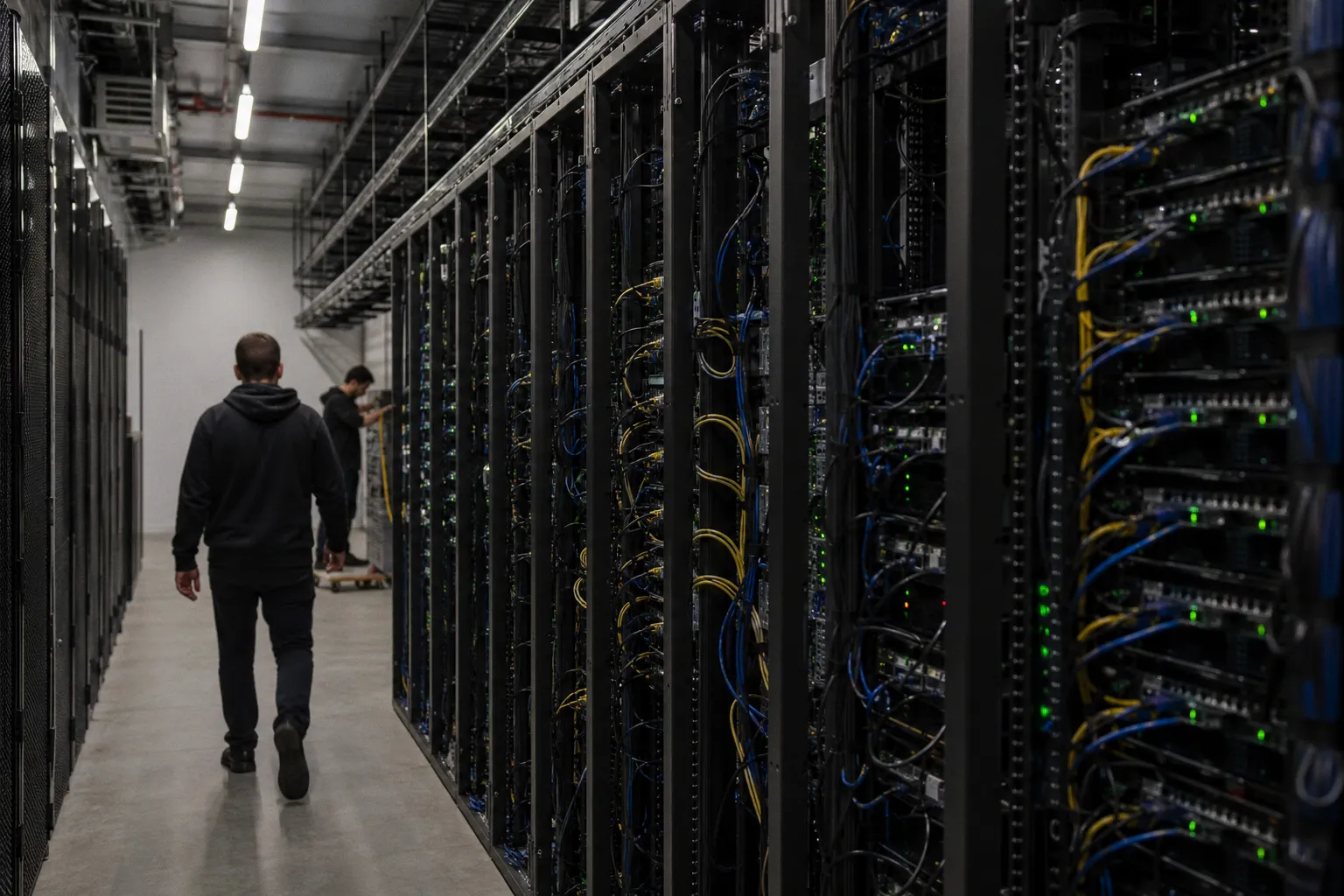
Solo stakers on Ethereum still anchor at 3–4% APY post-merge, but that number is conditional. The 32 ETH minimum is the entry ticket; the real cost is operational. Crypto validator node operators running bare-metal servers with redundant internet links, UPS backup, and hardware security modules are the ones who avoid slashing penalties and exclusion from reward distributions. Miss the 99.9% uptime threshold and your effective yield craters faster than any APY comparison chart will tell you.
Solana validators face a different curve: 6–8% nominal plus MEV extraction, but the hardware demands parallel execution — high-frequency CPUs, NVMe storage, low-latency networking. Cloud-based operators struggle against virtualization overhead and neighbor-induced latency spikes. The competitive moat is infrastructure quality, not capital deployment.
Newer Cosmos SDK chains advertise 15–25% to bootstrap security budgets, which should immediately trigger a utilization rate analysis rather than excitement. Those rates are inflationary subsidies that compress as TVL grows. Understanding the validator stack — from consensus client selection to key management architecture — separates operators capturing compounding rewards from those bleeding principal to downtime penalties. Diversifying across providers mitigates centralization risk without sacrificing yield, and the beacon chain's 28+ million ETH concentration is the structural variable worth stress-testing on any portfolio.
Stablecoin yield, recut: MetaMask's 4% routed through Morpho
Consensys flipped the switch on the MetaMask Money Account on June 30, with user access enabled July 2. Headline: up to 4% variable APY on stablecoin balances, self-custodial, spendable through a Mastercard-linked card. The mechanics under the hood are where the due diligence lives.
Deposits convert to mUSD, MetaMask's dollar-pegged stablecoin backed 1:1 by USD and short-term T-bills, with reserves held by Bridge — a Stripe-affiliated entity managing the fiat rail. The savings rate is generated entirely on-chain: Veda's vault infrastructure routes mUSD into Morpho, which carries over $7.4 billion in total value locked. Steakhouse Financial acts as vault curator, setting risk parameters and deciding which lending markets mUSD is permitted to touch.
The 4% is real lending income from Morpho borrowers, not a promotional teaser funded by a marketing budget. It moves with borrowing demand, which is why it's quoted as variable and capped rather than fixed. Morpho's DefiLlama listing gives a clean read on live deposits and borrowing demand — if utilization drops, so does the effective rate. For a strategist, the comparison is direct: 4% variable on stablecoin lending through Morpho vaults versus 5–7% on ETH liquid staking derivatives recycling into the same DeFi credit markets. The peg stability profile differs, but both routes ultimately depend on Morpho's lending book quality. Check the curator, check the underlying markets, then check historical utilization before sizing.
What to track
RealFi announced a yield-bearing stablecoin testnet promising up to 9% APY, according to Cryptonews. That's a testnet figure — treat it as a protocol design signal, not a deployable rate. Once mainnet lands, the questions are which lending markets fund that yield and whether the peg holds under redemption stress.
Across both the validator stack and the stablecoin lending stack, the same rule applies: nominal APY is a starting hypothesis, not a conclusion. Utilization rate, uptime discipline, peg stability, and curator track record are the four filters that determine whether advertised yield becomes realized return. Skip any of them and you're effectively donating delta to the infrastructure operators who didn't.