The Infrastructure Dividend: Why Crypto's Quietest Companies May Deliver the Biggest Impact
Crypto infrastructure does not offer the clean, headline APY of a staking dashboard.
That is precisely why the current narrative deserves scrutiny: a July 15 industry release argues that payment rails, oracle networks, custody and stablecoin settlement are becoming the less visible layer underpinning activity above them. For yield-focused investors, the implication is not “buy infrastructure” on a slogan. It is to separate durable on-chain cash-flow dependencies from rewards that exist only while emissions remain high.
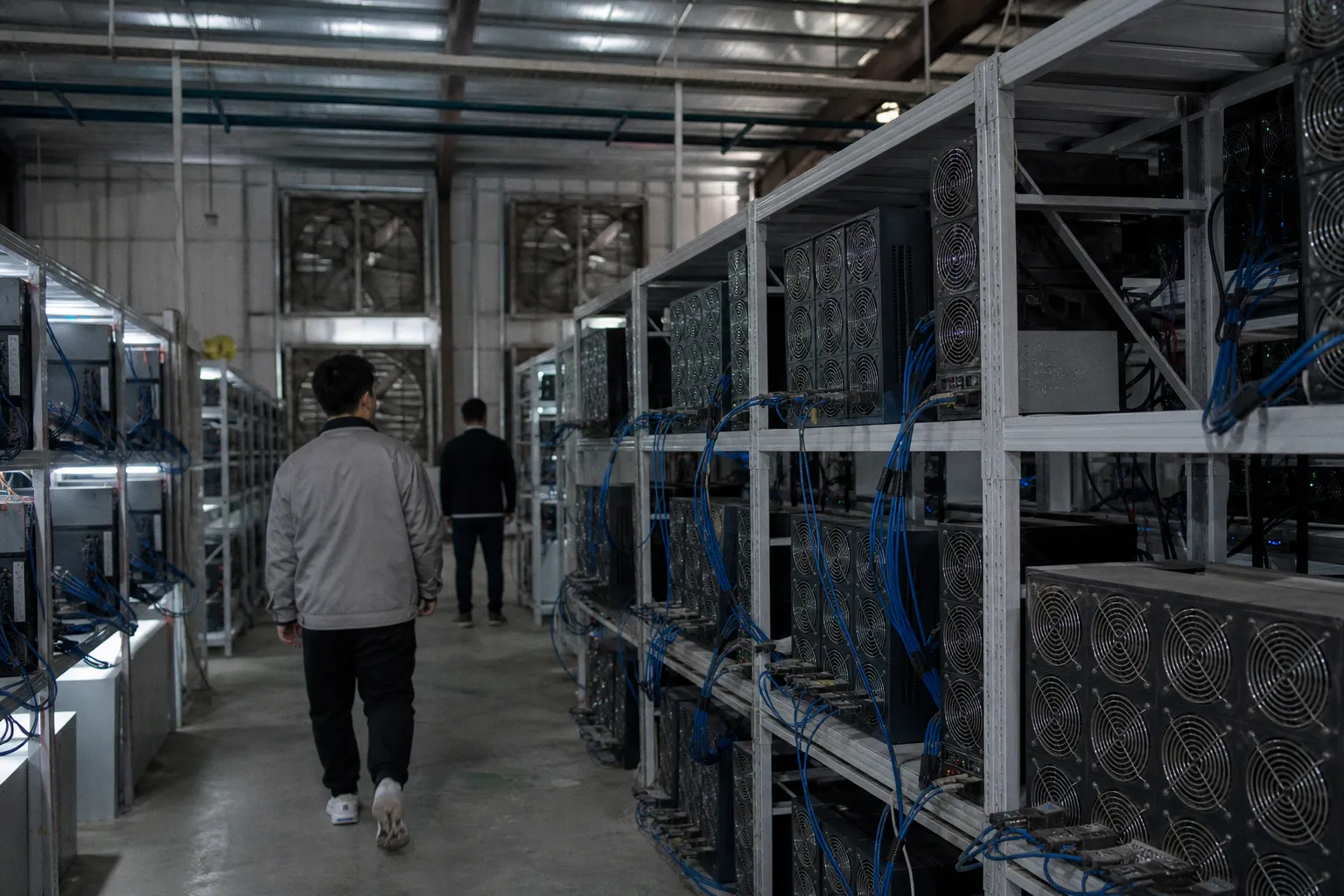
The supporting market backdrop is thin but notable. Separate reports this week flagged investor attention on crypto-infrastructure equities and intensifying stablecoin competition, while Crypto Briefing’s headline reported a 187% twelve-month rise for AI infrastructure companies and noted Bitcoin miners participating in that trend. These are not interchangeable trades—but they point to the same allocation question: where does utilization persist when speculative volume cools?
Reliability is the real yield primitive
The infrastructure thesis rests on an unglamorous proposition: applications require data, settlement, custody and liquidity rails before they can generate any user-facing yield. The July 15 release specifically highlights Chainlink’s work connecting smart contracts with real-world data and off-chain systems, and Circle’s positioning of stablecoins as settlement infrastructure for payments, treasury operations and global liquidity movement.
For liquid-staking and validator participants, that matters because headline staking yield is only one leg of the return stack. A validator may produce protocol rewards, but the capital around that validator still depends on reliable price feeds, stable collateral, settlement routes and custody arrangements. Break any of those rails and nominal APY becomes a poor proxy for realized return.
The practical distinction is simple:
Token emissions reward capital for being present.
Infrastructure utilization can create demand because transactions, collateral movements and settlement need to happen.
Neither is automatically investable, and neither guarantees a token-holder claim on revenue. But investors should stop treating “infrastructure” as a synonym for defensiveness. The relevant question is whether a protocol’s token economics actually capture the activity its services enable.
Stablecoin depth changes the validator calculus
The strongest near-term intersection for this category is stablecoin liquidity. Tekedia’s report describes stablecoins as a crucial component of the digital economy and points to heightened competition, including new entrants and traditional financial institutions exploring digital payment products. That competition could expand settlement activity; it could also fragment liquidity across more instruments and venues.
For a liquid-staking position, peg stability and liquidity depth are operational variables, not background noise. A staked asset paired against a shallow or unstable stablecoin may display attractive fees while carrying an exit-cost problem that overwhelms the yield. Likewise, a delta-neutral loop built around borrowing stablecoins only remains neutral if collateral pricing, liquidation mechanics and stablecoin liquidity hold under stress.
The portfolio-manager checklist is therefore narrower than the broad infrastructure narrative:
- Identify which stablecoins dominate the pools where your liquid-staked token is deployed.
- Measure whether yield comes from persistent swap demand, lending utilization, or incentive distributions.
- Check the redemption and exit path before calculating APY: can the position be unwound without relying on a fragile peg or thin liquidity?
- Distinguish validator rewards from DeFi overlay returns. They have different failure modes and should not be bundled into one “passive income” number.
Watch cash-flow capture, not infrastructure branding
The infrastructure dividend is plausible only when reliability converts into economic capture. A widely used oracle, settlement network or custody layer may be strategically important while offering no direct benefit to a particular token holder, validator operator or liquidity provider. That gap is where many infrastructure narratives fail their ROI test.
For now, the evidence supports a monitoring thesis, not a blanket allocation call. Track stablecoin competition because it may reshape liquidity routing. Track infrastructure-linked mining and AI narratives separately because a reported stock-market surge does not establish an equivalent on-chain yield opportunity. And assess liquid-staking positions using realized, post-slippage return rather than advertised APY.
The strict calculation is still the only one that matters: net return = staking rewards + protocol fees + incentives − borrowing cost − slippage − peg and liquidation losses. Infrastructure can improve the first three terms indirectly. It does not eliminate the last three.